
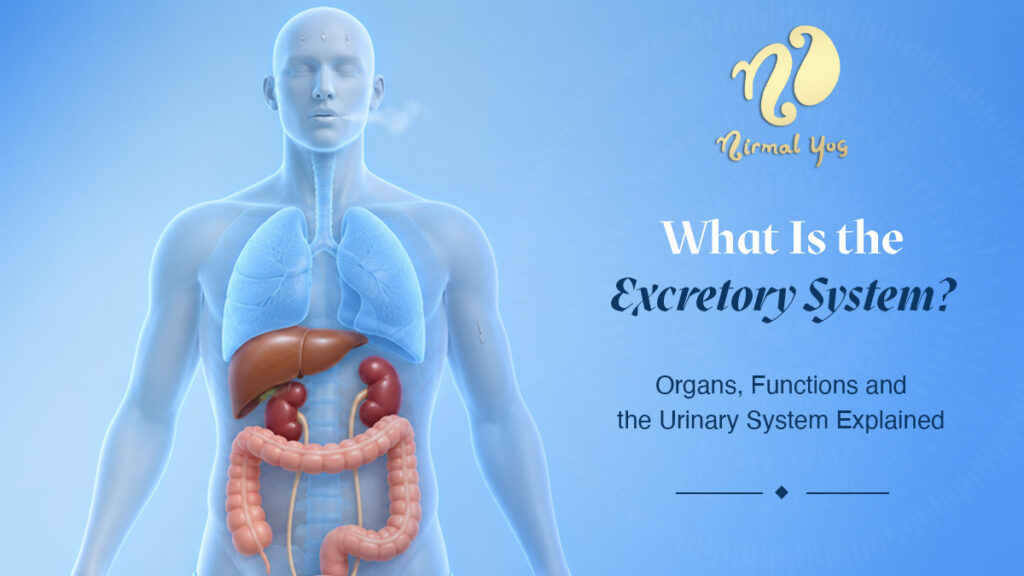
Your body makes things it does not need all the time. Carbon dioxide goes out when you breathe. Extra salts come out in sweat. The kidneys clean waste from your blood. Send it out as urine. None of this is random. The excretory system quietly handles this clean-up so your cells, organs and blood can keep doing their jobs.
A lot of people use the words excretory system and urinary system as if they mean the thing. That makes sense, since the urinary system deals with most of the body’s waste. The excretory system is bigger. It takes in the kidneys, lungs, skin, liver and large intestine and each one deals with a kind of waste or imbalance.
This article explains what is the excretory system, how it works, which organs are involved and why the urinary system is its important part. It also looks at habits that help your body get rid of waste and keep fluids in balance.
What Is the Excretory System?
The excretory system is the body system that removes waste from cell activity, extra water, salts and other things the body cannot use or safely hold on to. Its main job is to keep things steady inside you, a process called homeostasis.
Every time your cells make energy, they leave things behind. Some are fine in amounts, but they cause trouble if they pile up. Carbon dioxide, for example, forms when cells make energy. Urea forms when the body breaks down protein. Extra sodium and water can also build up after meals, exercise or changes in how much you drink.
The excretory system keeps these things from reaching levels that hurt you. It does this in a way: the lungs push out carbon dioxide, the kidneys push out waste in urine, the skin lets go of some water and salts in sweat and the liver changes certain things before they can leave the body.
Excretion Is Not the Same as Digestion
One mix-up is the gap between excretion and defecation. Digestion breaks food into pieces and takes in nutrients. The large intestine then pushes out stuff as stool.
Excretion, in the science sense, means removing waste that the body itself made while working. This includes carbon dioxide from breathing, urea from broken-down protein and extra salts and water that the kidneys filter from blood.
So even though passing stool is part of how the body gets rid of waste, it is not the same as excretion. The gap may look small. It helps explain why the excretory system organs include the lungs and skin and not just the kidneys.
Excretory System vs Urinary System: What Is the Difference?
The link between the excretory system system is easy to see once you think of the urinary system as the most specialised part of excretion.
| SYSTEM | MAIN ORGANS | MAIN ROLE |
| Excretory system | Kidneys, lungs, skin, liver and large intestine | Removes waste from cell activity, extra water, salts, gases and processed substances |
| Urinary system | Kidneys, ureters, urinary bladder and urethra | Makes, moves, stores and releases urine |
The urinary system is about urine. The kidneys make it, the ureters carry it to the bladder, the bladder holds it. The urethra sends it out of the body. This makes the urinary system the main and most direct way waste leaves.
The excretory system is wider because breathing, sweating and liver work also remove or change waste. In words, the urinary system matters a lot, but it does not work alone.
How the Urinary System Removes Waste
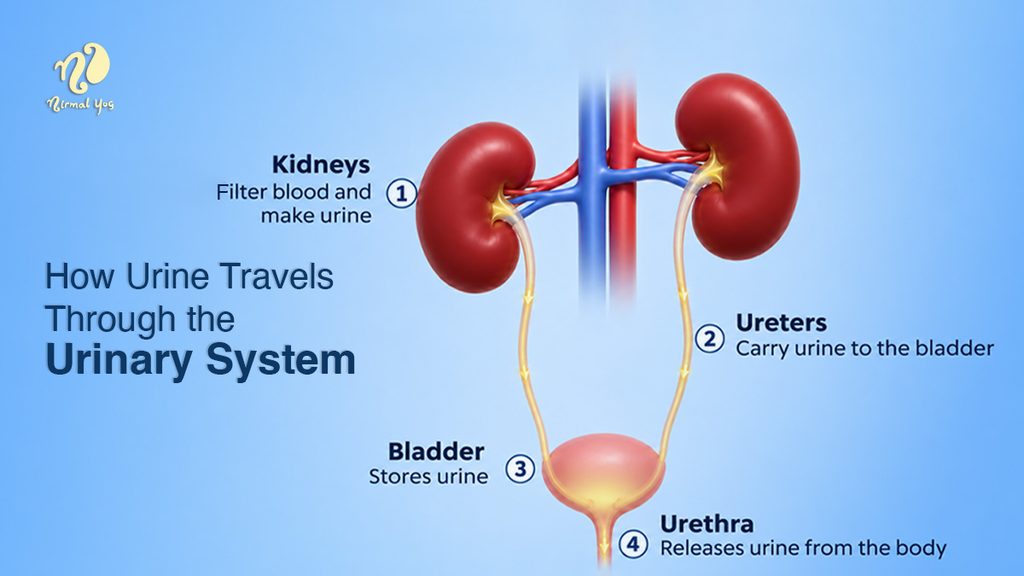
The urinary system is the visible and direct part of the excretory process. It follows a path.
- Kidneys filter blood and make urine.
- Ureters carry urine from each kidney to the bladder.
- The urinary bladder stores urine until it is time to let it go.
- The urethra carries urine out of the body when you urinate.
The ureters use muscle squeezes, called peristalsis, to push urine down. The bladder then acts as a short-term storage space, while the urethra gives the way out of the body.
A way to remember it is: kidneys make the urine, ureters move it, the bladder holds it and the urethra lets it go.
Excretory System Organs and What Each One Does
The major excretory system organs work together as an important part of human anatomy. Each one deals with a kind of waste or helps keep one part of body balance in check.
Kidneys: The Main Filtering Organs
The kidneys are two bean-shaped organs on either side of the spine, below the ribcage. They filter blood, remove waste and extra water and make urine.
Inside each kidney are millions of filtering units called nephrons. Blood goes into a nephron, where water and small bits are filtered out. The body then takes back things such as water, glucose and some minerals. What is left becomes urine.
This process is very picky. The kidneys do not just throw out everything in the blood. They keep what the body needs and remove what it does not.
The kidneys also help manage:
- Water balance: They decide how water to keep and how much to let go in urine.
- Electrolytes: They handle minerals such as sodium and potassium, which matter for nerve signals, muscle movement and heart rhythm.
- Blood pressure: By changing volume and mineral levels, the kidneys help shape blood pressure.
- Acid-base balance: They help stop the blood from getting too acidic or too alkaline.
- Red blood cell production: The kidneys send out erythropoietin, a hormone that tells the bone marrow to make red blood cells.
This is why kidney health touches more than peeing. When the kidneys cannot filter well, waste and fluid can build up in the body.
Lungs: Removing Carbon Dioxide
The lungs remove carbon dioxide, a waste gas made when cells use oxygen to make energy. Every breath out carries some of this gas away from the blood.
Breathing is usually seen as a lung job. It is also an excretory one. During exercise, your cells make carbon dioxide. Your breathing gets faster to clear the amount. This is one reason you breathe harder after climbing stairs, running or doing yoga practice.
Skin: Sweating Out Water and Salts
The skin lets go of some water, salts and small amounts of things through sweat. Sweat also cools the body when it heats up.
Still, sweating is not the body’s way to remove waste from cell activity. The kidneys do most of that work. So, the skin plays a key support role in temperature control and fluid balance.
Liver: Processing Harmful Substances
The liver breaks down harmful things in the blood. It also turns waste that contains nitrogen into urea, which the kidneys later remove in urine.
A good way to picture the liver is as a processing centre. It changes things into forms the body can get rid of more easily. The kidneys then do the removal. This is one reason liver and kidney health are closely linked.
Large Intestine: Removing Undigested Material
The large intestine removes food material the body cannot digest and some waste as stool. This is often called elimination than excretion in the strict science sense, but it is still an important part of how the body gets rid of waste.
What Is Function of Excretory System?
The main excretory system function is to remove waste and keep things steady inside the body. That big purpose covers specific jobs.
- Remove waste from cell activity: The body clears things such as carbon dioxide, urea, extra salts and other by-products of cell work.
- Regulate water levels: The kidneys decide how water to hold on to and how much to let go in urine. This helps prevent both dehydration and much fluid.
- Balance electrolytes: Sodium, potassium and other minerals must stay in a range for nerves, muscles and the heart to work right.
- Control blood pressure and pH: By changing volume and mineral levels, the kidneys help steady blood pressure and the body’s acid-base balance.
- Support blood cell production: The kidneys send out erythropoietin, a hormone that tells the bone marrow to make red blood cells.
In short, the excretory system function does not just “get rid of waste.” It guards the conditions that let every organ work.
Why the Excretory System Matters for Health

When the excretory system works well, you hardly notice it. Your breathing, hydration, temperature and urination stay about the same without you having to think about it.
Trouble starts when one part of the body’s up crew gets overworked. Not drinking water can cut down how much urine you make. That makes it harder for the kidneys to wash waste out. Lung problems can get in the way of clearing carbon dioxide. Kidney disease can let waste and extra fluid build up inside the body.
You do not need to do anything to keep this system going. Drink water for how active you are. Eat a diet. Do not lean on medicines that strain the kidneys when you do not need them. If urinary symptoms will not go away, see a doctor. These are solid basics.
Getting help matters a lot if you see blood in your urine, feel pain when you urinate, notice swelling, feel tired all the time or see big changes in how often you go.
A Yoga and Wellness View
If you are into yoga and mindful living, the excretory system has a lesson for you. Health is about what leaves the body, not what goes in. Your body needs food, oxygen and water. It also needs good ways to let go of what it no longer needs.
Gentle movement, breathing habits, enough water and rest all help you feel well in general. Yoga practices like breathing and deep relaxation may help you notice your body more. Still, they do not take the place of a doctor’s check-up or treatment for kidney, bladder or lung problems.
At Yoga Retreat Rishikesh, we focus on breath, awareness and balanced living fits in with this idea. Once you understand how the body keeps itself in check, everyday wellness habits start to feel more meaningful. They stop being just physical.
Final Thoughts
The excretory system is a vital network. It keeps the body clean, steady and working. The urinary system does most of the waste removal through urine. The lungs, skin, liver and large intestine also do real work.
Knowing the organs of the excretory system. What they do helps you see why water, breathing, food and kidney health all connect. The body stays healthy not by what it takes in, but by how well it lets go of what it no longer needs.
Frequently Asked Questions
The excretory system is the set of organs that clears metabolic waste, extra water, salts and other things the body does not want. Its main job is to keep things steady inside the body, which is called homeostasis.
The excretory system is the set of organs that clears metabolic waste, extra water, salts and other things the body does not want. Its main job is to keep things steady inside the body, which is called homeostasis.
The urinary system is one part of the excretory system. It covers the kidneys, ureters, bladder and urethra. It gets rid of waste through urine. The excretory system also takes in the lungs, skin, liver and large intestine.
The main job of the excretory system is to clear waste and keep water, salts, blood volume in balance. The kidneys also help control blood pressure and support the making of blood cells.
The main organs of the excretory system are the kidneys, lungs, skin, liver and large intestine. The kidneys do most of the work of filtering blood. Making urine.