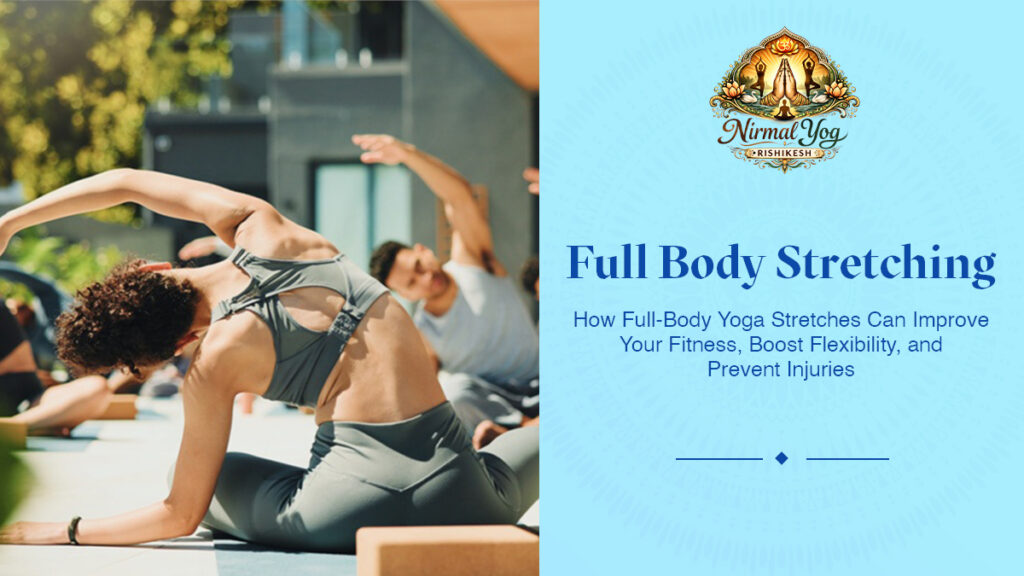
Stretching is often associated with professional athletes warming up for a game, but the truth is, stretching is something that everyone should make a habit of, regardless of age, fitness, or lifestyle.
Many of us have desk jobs that require prolonged sitting, jobs with long commutes, or jobs that involve a lot of walking and heavy lifting. Maybe you just want to relieve stiffness. In any of these cases and more, incorporating yoga stretches into your routine can have an extreme positive impact on your daily movements. Stretching keeps the body and joints ready for movement. After a period of consistent stretching, you can really see the positive impact on your posture and overall flexibility.
You definitely don’t have to dedicate an hour to stretching to see the positive impacts. Daily stretching for 10-15 minutes will improve your fitness, help you move more easily, and even give you more energy.
Why Is Stretching So Important?
Movement is natural to our bodies, but a large number of us live lifestyles that involve a lot of sitting. In addition to a lack of movement and repetitive postures, sitting compresses our bodies and causes our muscles to become taut and our joints to lose mobility.
When was the last time you noticed yourself stretching? You likely did it after waking up, but it is also common to naturally stretch after being in the same position for a long time. Stretching is your body releasing stiffness and preparing for movement. Your body needs enough time to release stiffness and prepare for movement.
Unfortunately, your body does not have enough time during the day. Sitting shortens muscles in your thighs and hips. Looking down for long periods of time compresses your neck and shoulders. If you stand for a long time, your muscles in your lower legs and lower back become taut.
These day-to-day habits lead to stiffness, tension, a greater likelihood of pain in your body, and poor posture. Stretching reverses these effects by returning your body’s natural ability to move.
How Full-Body Yoga Stretches Support Better Fitness
Fitness includes overall health and wellness, and flexibility and mobility are also important. Muscles and joints need to be able to perform movements easily and safely and to function at the highest level possible for optimum performance.
When you think about yoga stretches, think about the mind and body working together simultaneously. Yoga uses breathing, balance, and slow and purposeful movements to stretch muscles and increase the range of motion and flexibility of joints.
There are several great benefits to doing yoga stretches.
Improves Flexibility
The most common reason people do yoga is to stretch and increase flexibility.
Doing increasing amounts of yoga will help lengthen your muscles and further increase the range of motion in your joints. Increased flexibility will make everyday activities such as walking up the stairs or bending down easier.
Reduces the Risk of Injuries
Muscles that lack flexibility are more prone to straining during any sort of physical activity, as they lack the proper elasticity.
With the everyday variety of activities you can do, including sports and even weight training, stretching regulates your muscles, improves the range of motion in your joints, and alleviates excess strain on your ligaments and tendons.
Improves Posture
Tight muscles can pull the body out of alignment and create a poor posture. Stretching tight muscles can help your body realign to a more natural posture.
Helps Recover Muscle Faster
Muscles can become tight and fatigued when they perform physical activity.
Stretching may increase blood flow, and the resulting effect might help to reduce muscle stiffness and fatigue after exercise.
Boosts Athletic Performance
Flexibility and mobility impact how your body moves and how you perform in exercise.
The more mobile you are, the deeper the squats you can achieve. You’ll run more efficiently and be able to lift weights with better form and have greater control of your movements.
Stretching alone won’t give you the strength you need, but it does allow the muscles to function at an optimal level.
Static vs Dynamic Stretching: What’s the Difference?
Let’s look at the two big types of stretching: Static vs. Dynamic Stretching. They serve very different and often unique purposes.
Static Stretching
This involves stretching a muscle group to the point of a very light, non-painful tension and holding that position for about 15–30 seconds.
The following are some examples:
- Seated Forward Fold
- Butterfly Pose
- Standing Hamstring Stretch
This type of stretching is best done after an exercise or relaxation session. It aids in tension release and helps muscles increase stretching potential significantly.
Dynamic Stretching
Dynamic stretching is very different, as it involves stretched muscles and the joints being moved through a comfortable range of motion.
The following are some examples:
- Arm circles
- Hip circles
- Leg Swings
- Walking Lunges
This type of stretching is done to increase blood flow and warm the body for the exercise to come. It is best done prior to an exercise.
The Most Appropriate Times to Stretch
Many question whether stretching should really only be done prior to an exercise. The answer is a definite no. Stretching is beneficial when done at different times throughout your day.
Prior to the Exercise
Stretching dynamically for a few minutes prior to an exercise is best, as it prepares the muscles and body for the movements of the upcoming exercise and also helps to minimize the potential of a muscle injury.
After exercising
Stretching helps relax the muscles and reduce tightness, aiding recovery like .
After Sitting for Long Hours
At a desk all day? Take a stretch break! It gets the blood flowing and eases the stiffness.
Before Going to Bed
Stretching before you go to bed opens and relaxes your muscles to help reduce the stress on your body.
After Waking Up
Stretching in the morning is a fast and easy way to get blood circulation going to help you feel energized and to wake your muscles.
Best Stretching Yoga Poses for a Full-Body Stretch
These yoga stretches help your flexibility for your entire body when added to your daily activities:
Downward-Facing Dog
If you want a full body stretch that strengthens your upper body, this stretch is perfect.
Cat-Cow Stretch
This is one of the yoga poses that helps stretch and warm the spine. It helps reduce stiffness caused by poor posture from sitting for too long.
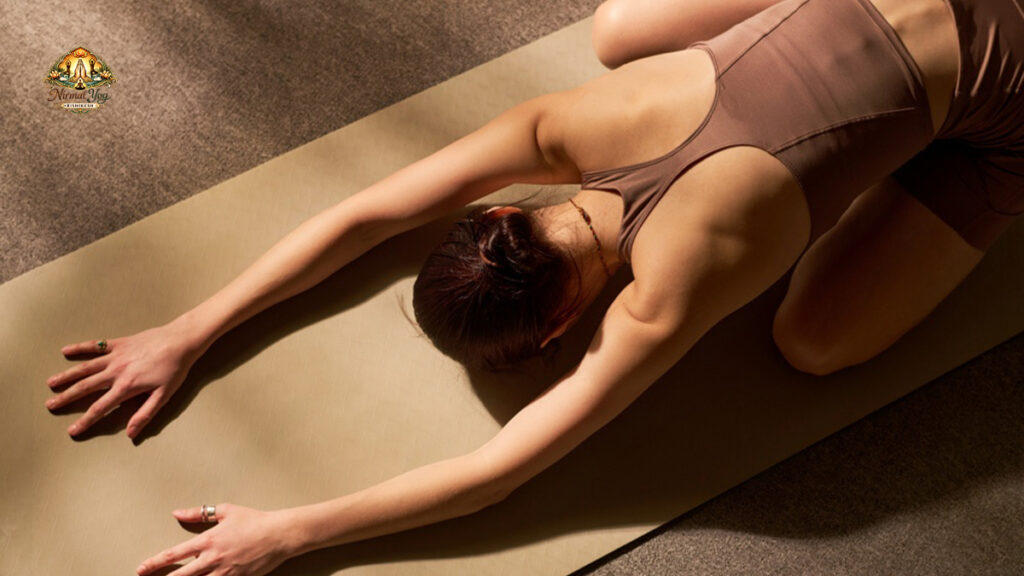
Child’s Pose
If you need a stretch for the body, this yoga pose stretches hips, shoulders, lower back, and ankles. This is great to do after a long day at work.
Cobra Pose
This stretching pose is great for improving posture and decreasing stiffness caused by sitting.
Butterfly Pose
Gently opening the hips and stretching the inner thighs, making it ideal for improving lower-body mobility.
Standing Forward Fold
Stretching your back and relieving the stiffness in your spine from sitting for too long is what this yoga pose helps do.
Yoga Stretches for Flexibility
Similar to doing a workout, stretching for flexibility takes practice like Pranayama and Meditation.
Doing yoga regularly for flexibility will help:
- Flexibility of your muscles and joints
- Reduce the feeling of being stiff
- Help daily movements
- Improve posture
- Help your performance while working out and engaging in sports.
Even stretching for just 10 minutes every day can show improvements over time.
Yoga Stretches for Lower Back Pain
Lower back pain is one of the most common complaints among adults today.
Long hours of sitting, weak core muscles, poor posture, and limited mobility often contribute to discomfort.
Fortunately, gentle yoga stretches for lower back pain can help relieve muscle tension and improve spinal mobility.
Some effective poses include:
- Child’s Pose
- Cat-Cow Stretch
- Knees-to-Chest Stretch
- Supine Twist
- Sphinx Pose
These stretches gently release tension around the spine while improving flexibility in the hips and surrounding muscles.
If you experience severe, persistent, or radiating back pain, consult a healthcare professional before beginning a stretching routine.
Tips for Safe and Effective Stretching
Stretching should never feel painful. To get the most benefit:
- Warm up with light walking or gentle movement before deep stretches.
- Move slowly instead of bouncing.
- Breathe steadily throughout each stretch.
- Stretch both sides of the body evenly.
- Avoid forcing your body into uncomfortable positions.
- Stay consistent rather than stretching aggressively once in a while.
- Stop immediately if you feel sharp or intense pain.
Remember, flexibility is built through patience and consistency—not by pushing your body beyond its limits.
A Simple 10-Minute Full-Body Stretching Routine
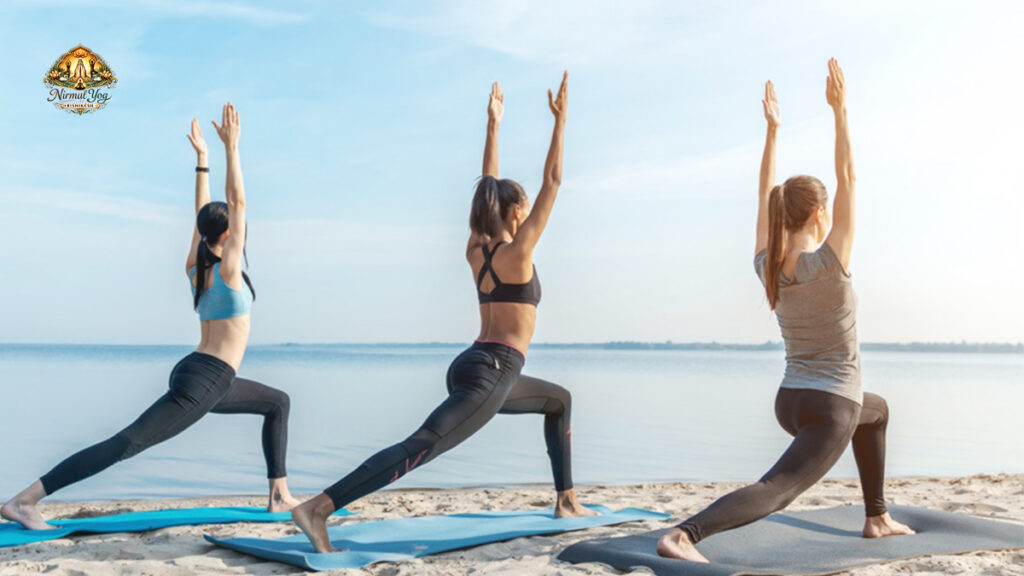
You don’t need complicated routines to experience the benefits of stretching.
Try this simple sequence:
| Yoga Stretch | Time |
| Cat-Cow Stretch | 1 minute |
| Downward Facing Dog | 1 minute |
| Cobra Pose | 1 minute |
| Child’s Pose | 2 minutes |
| Butterfly Pose | 2 minutes |
| Standing Forward Fold | 2 minutes |
| Supine Twist | 1 minute |
Practice this routine in the morning, after work, or before bed to improve flexibility and reduce daily stiffness.
Conclusion
Stretching has benefits for everyone. Whether you work from home, have an active job, or just want to feel better in your body, stretching all the way out can help you feel and move better.
Stretching with yoga can help you have better posture, be more mobile, help you recover, and have fewer injuries. If you want to be more flexible, have a better body, and have less back pain, yoga has great stretching poses for you.
Consistency over perfection is the motto for yoga. Just a few minutes of stretching every day can improve your body and mind over time.
Frequently Asked Questions (FAQs)
Aim to stretch at least 3–5 days a week. If possible, 10–15 minutes of daily stretching can improve flexibility, posture, and overall mobility while helping prevent muscle tightness.
Yoga stretches combine flexibility, balance, controlled breathing, and mindfulness, making them more comprehensive than traditional stretching alone. They not only improve mobility but also support better posture, stress relief, and overall wellness.
Some of the most effective yoga stretches for flexibility include Downward Facing Dog, Child’s Pose, Butterfly Pose, Cobra Pose, Cat-Cow Stretch, Standing Forward Fold, and Supine Twist. Practicing these regularly can gradually improve your range of motion.
Yes. Gentle yoga stretches for lower back pain such as Child’s Pose, Cat-Cow Stretch, Knees-to-Chest Stretch, and Sphinx Pose can help ease muscle tension, improve spinal mobility, and reduce stiffness. If your pain is severe or long-lasting, consult a healthcare provider before starting a new routine.
Dynamic stretching is ideal before a workout because it prepares your muscles for movement. Static stretching is generally more beneficial after exercise, when it helps relax muscles, improve flexibility, and support recovery.
Absolutely. Regular stretching helps lengthen tight muscles, improve muscle balance, and increase mobility around the spine and hips. Over time, this can reduce postural strain caused by prolonged sitting and encourage better body alignment.