
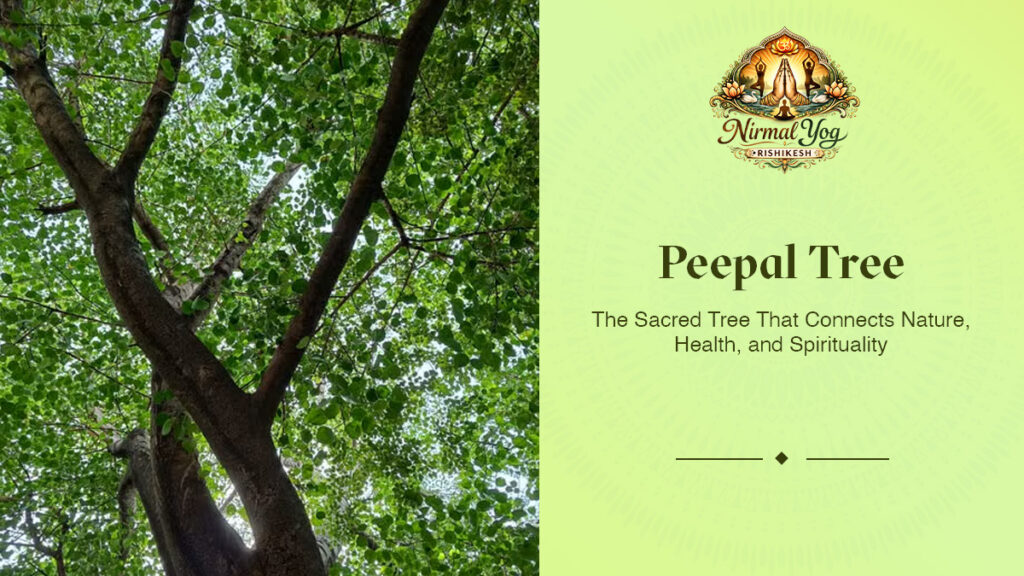
Have you ever walked past a big tree with heart-shaped leaves dancing in the wind and wondered why so many people stop to pray under it? There is a very good chance you’ve seen a peepal tree. For centuries, this magnificent tree has been loved in villages, temple courtyards, parks, and even busy cities, not only for its beauty but also for its deep cultural, medicinal, and environmental importance.
What is the Peepal Tree?
The peepal tree (Ficus religiosa) is one of the most revered and recognizable trees in India. It belongs to the fig family (Moraceae) and The peepal tree in English is commonly referred to as the Sacred Fig or the Bodhi Tree.
The tree can grow 60 to 80 feet in height and has a long lifespan. Some of the ancient peepal trees have been there for hundreds and thousands of years and have thus become living witnesses to history. One of its most unique features is its beautiful heart shaped leaves with long pointed tips. Any small wind will cause these leaves to dance elegantly, with a gentle rustle that many people connect with peace and serenity.
Why is the Peepal Tree Considered Sacred?
The peepal tree is appreciated not only for its size and beauty. It is revered in many religions and traditions all over India. In Hinduism, the tree is believed to symbolize the divine and is linked with Lord Vishnu, Lord Brahma, and Lord Shiva. Many devotees offer water, light lamps, or sacred threads around their trunk while praying for the health, prosperity, and well-being of their families.
The peepal tree is very important to Buddhists because it was under such a tree that Gautama Buddha attained enlightenment. Then the tree became known throughout the world as the Bodhi Tree, a symbol of wisdom, enlightenment and inner peace. Jain traditions also venerate the tree, and many of its saints are believed to have meditated in its shade. These stories have made the peepal tree more than just a plant. It has become a symbol of patience, knowledge, and spiritual growth.
The Beauty of the Peepal Tree Leaf
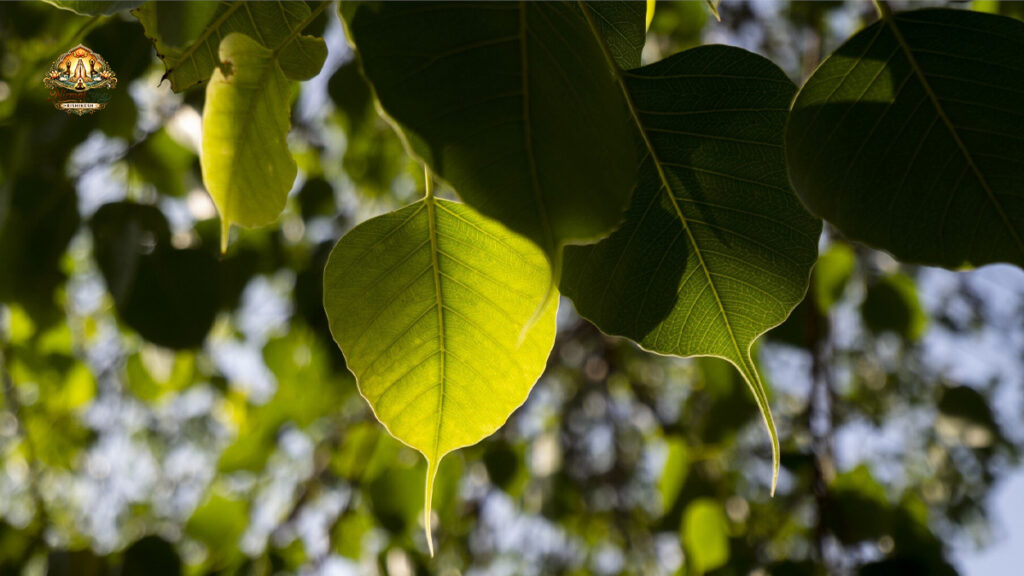
One of the easiest ways to identify this amazing tree is to see a leaf of the peepal tree. Each leaf is a unique heart shape with a long, elegant point that sways in the breeze. Unlike many trees, the new leaves often grow before the old ones fall off. This keeps the tree lush and green most of the year. But the peepal tree leaf is much more than an ornamental feature.
The leaves have been put to practical use by traditional households for generations. They have been used in Ayurvedic remedies, art crafts, religious ceremonies, and even home décor. Their fragile form has inspired countless paintings, hand-made artworks and cultural symbols. Many people also believe that simply sitting beneath the tree while listening to its rustling leaves creates a naturally calming experience.
Peepal Tree Benefits for Health
One of the biggest reasons this tree has remained important through the centuries is the wide range of peepal tree benefits described in traditional medicine.
1. Supports Respiratory Health
Ayurveda has used different parts of the peepal tree for ages to help support respiratory health. Its bark and leaves have provided traditional remedies for coughs, asthma and bronchitis.
These remedies are based on centuries of practice and should not be considered a substitute for professional medical advice.
2. Promotes Healthy Digestion
Traditionally the bark and leaves have been prepared to assist with digestive discomfort and to promote regularity of the bowels.
Peepal leaves are traditionally taken in mild herbal infusions as a digestive tonic.
3. Helps Care for the Skin
Natural Skincare: Another interesting use of the peepal tree leaf is natural skincare.
A clean paste of fresh leaves has traditionally been applied to small cuts, minor wounds, and irritated skin. Others mix crushed leaves with honey or yogurt to make a simple face mask that is said to refresh the skin.
These are common home remedies, but it is always best to do a patch test and see a healthcare professional if you have ongoing skin issues.
4. Traditional Support for Blood Sugar
Ayurveda has traditionally used bark and leaf preparations to help maintain healthy blood sugar levels.
However, anyone living with diabetes should never replace prescribed medications with herbal remedies without consulting their doctor.
Environmental Peepal Tree Benefits
The peepal tree benefits extend far beyond human health. It is also one of nature’s quiet environmental heroes.
A Natural Air Purifier
The tree has an exceptional ability to absorb pollutants from the atmosphere, helping improve air quality in surrounding areas. Its large canopy also traps dust and creates a cooler environment during hot summers.
This is one reason why many old temples and village squares feel noticeably cooler beneath a mature peepal tree.
Supports Wildlife
A single peepal tree can support an entire ecosystem. Its fruit is a food for birds, squirrels, bats, and insects. Its large branches provide nesting space and shelter. This is an important part of the local biodiversity.
Prevents Soil Erosion
With its deep and extensive root system, the peepal tree helps hold soil firmly in place. This reduces erosion and contributes to healthier landscapes, especially during heavy rains.
The Peepal Tree in Everyday Life
The peepal tree was the natural meeting place long before parks were built. The village elders sat under its shade to talk. Its broad canopy of leaves gave shade to travelers on long journeys. Its branches were peaceful places for students to study, and communities used to hold festivals around it.
Even today you can find Peepal trees proudly standing in temples, schools, parks and public places. They still promise shade, cleaner air and a quiet retreat from the hurry of daily life.
Science Behind Traditional Beliefs
Many beliefs surrounding the peepal tree are now being explored through modern scientific research. Scientists have found a number of compounds in its bark and leaves that naturally occur with antibacterial and anti-inflammatory properties. There are also studies that found large, mature trees are good for mental well-being, reducing stress and improving mood.
Cities looking to improve their environmental and public health couldn’t do worse than planting the peepal tree. Multiple studies have shown that urban green spaces with trees tend to be correlated with better emotional health. It is interesting to see traditional knowledge getting more attention from modern researchers as scientific research keeps evolving.
Can You Use Peepal Leaves at Home?
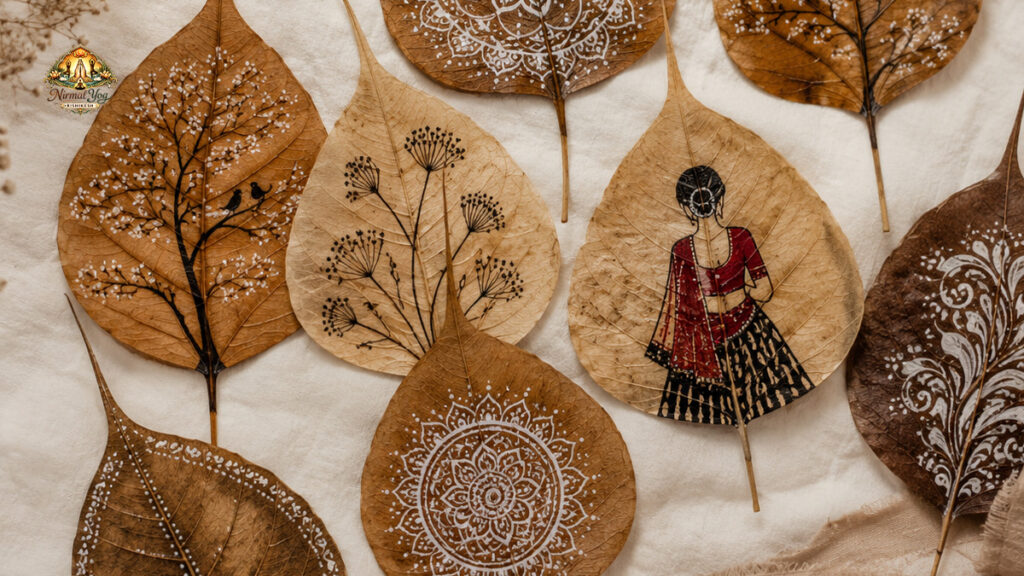
The peepal tree leaf has been used in households for generations.
Some common traditional uses include:
- Preparing mild herbal teas for seasonal discomfort.
- Making simple leaf pastes for minor skin care.
- Creating decorative artwork using dried leaves.
- Using fresh leaves during festivals and religious ceremonies.
If you choose to use peepal leaves, make sure they come from clean, pesticide-free trees away from heavy traffic and pollution. As with any herbal remedy, consult a qualified healthcare professional if you have an existing medical condition, are pregnant, or take prescription medications.
Why Conserving the Peepal Tree Matters
Despite its cultural importance, many old peepal trees are disappearing due to rapid urban development, road widening and changing landscapes. To save these trees is about so much more than tradition. Every mature peepal tree cleans the air, supports wildlife, provides cooling shade and strengthens the local ecosystem. Planting more peepal trees in parks, schools and community spaces can help make our cities greener and healthier for generations to come.
“Simple things can make a difference,” he said, “such as saving existing trees or participating in a neighborhood tree-planting event.”
Final Thoughts
The peepal tree is far more than a towering tree with beautiful leaves. It is a living symbol of wisdom, resilience, and harmony between people and nature. It has a long history and great importance in spirituality, traditional medicine, and environmental conservation, whether it is called the Sacred Fig, the Bodhi Tree, or simply the peepal tree in English.
Don’t walk past the next peepal tree you see. Take a moment to listen to the leaves softly rustling and enjoy the cool shade of its branches
Frequently Asked Questions (FAQs)
Peepal tree is also known in English as the Sacred Fig or the Bodhi Tree. The scientific name of this tree is Ficus religiosa. It is a member of the fig family and is prized for its cultural, spiritual, and medicinal significance in many parts of Asia.
Peepal tree benefits are improving air quality, supporting biodiversity, providing cooling shade, and traditional medicinal uses in Ayurveda.
The peepal tree has a heart-shaped leaf with a long pointed tip and is easily recognizable. Besides its unique beauty, the leaf has an important role in religious rituals, traditional Ayurvedic practices and decorative art. It has also been traditionally used in home remedies for minor skin problems and digestive support.
The peepal tree is considered sacred because it is of religious importance in Hinduism, Buddhism, and Jainism. It is thought to represent wisdom, longevity, and spiritual growth. According to the Buddhist belief, Lord Buddha gained enlightenment under a peepal tree. So, it is also called the Bodhi Tree.
Yes, you can grow a peepal tree at home if you have enough outer space. Because it develops into a large tree with a large root system, they are best planted in gardens, farms or open landscapes rather than near buildings or foundations. It requires full sun exposure and thrives in well-drained soil.