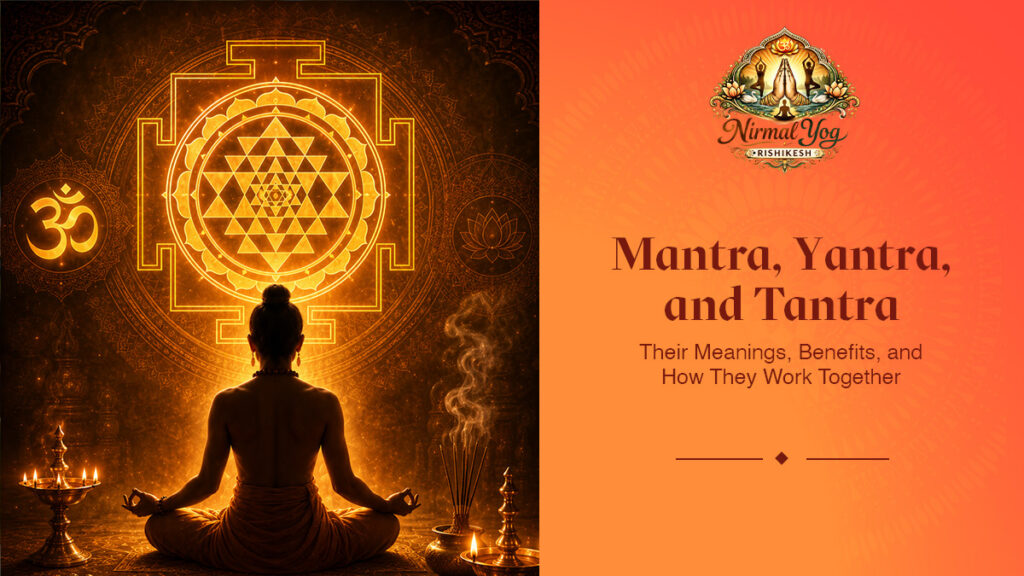
Words like “Mantra,” “Yantra,” and “Tantra” have a long history with India’s spiritual and yogic traditions. The modern view tends to simplify them as elusive constructs employed by monks or something reserved for highly advanced practitioners.
These ancient Sanskrit systems provide practical frameworks for calming the mind, sharpening focus, and developing self-discipline. They have a place outside the realm of religious practices. These are tools that are meant to be used by anyone, at any time.
The chances are that if you have ever asked the question, ‘What is a mantra?’, ‘What is a yantra?’, or ‘What is tantra?’ you have come to the conclusion that all of these systems represent the same practice and that they are different methods for the same purpose of developing mental discipline and consciousness.
In simpler terms,
- Mantra = sound to focus the mind
- Yantra = sacred geometry to focus the mind
- Tantra = awareness to focus the mind
The combination of all of these systems serves to transform the day-to-day routine into the practice of a living spiritual philosophy.
What is Mantra?
The word Mantra comes from the Sanskrit words ‘man’ and ‘tra.’
Man (मन)—Mind
Tra (त्र)—tool, instrument, or protector
By this justification, we can answer the question, ‘What is a mantra?’ by saying that a mantra is a system of protection and guidance for the mind.
A mantra is a sacred sound or phrase that is repeated to the mantra user either silently or aloud in the course of their meditation or as they go about their daily activities. When this phrase is repeated to the user of the mantra, it is done with the purpose of calming the distractions of the mind.
Instead of only forcing the mind to become still, a mantra gently gives it a single point of focus. As attention comes back to the sound again and again, scattered thoughts slowly begin to settle.
The Deeper Purpose of Mantra
Say it once. The power of the expression or thought will echo.
The more we practice mantras, the more we strengthen the rhythms that help maintain the wards of the mind and the balance of the heart.
The people that practice mantras have:
- Clearer Thoughts
- Decreased Anxiety
- Better Focus
- Emotional Stability
- Inner Peace
Mantra’s power does not come from knowing its potential but from engaging it. Over time, the power of mantras will help the mind become calm and aware.
Mantra Meditation: Using Sound to Cultivate Stillness
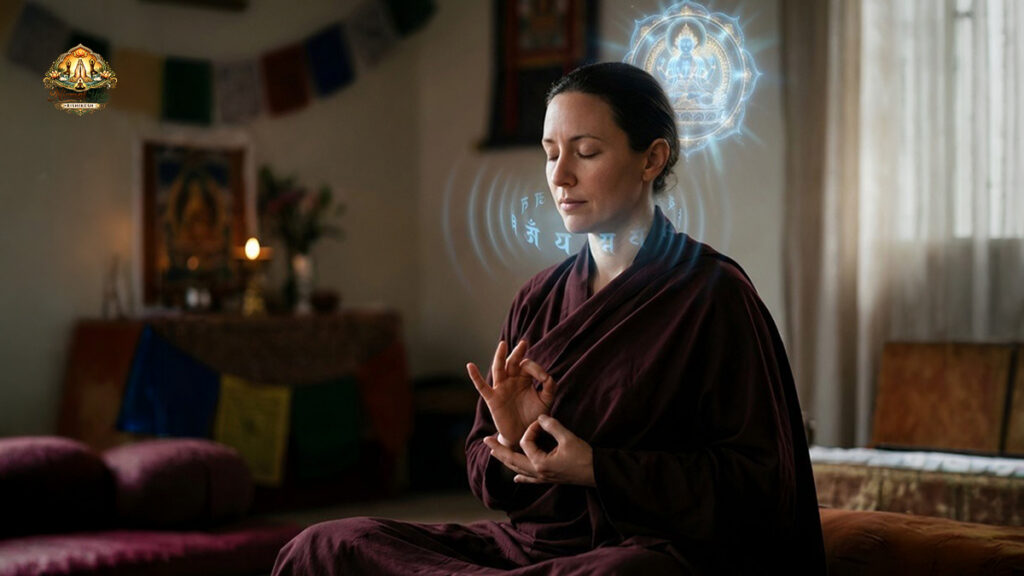
Mantra meditation is one of the most common ways to engage mantras.
While maintaining a relaxed focus, mantra meditation allows the practitioner the freedom to continuously repeat a mantra of their choice.
If, during the meditation, the mind has the freedom to focus on what it wishes, the focus should still be brought back to the mantra without judgement.
One of the things that makes mantra meditation special is that, instead of requiring the mind to focus, it gives the mind something to focus on. For these reasons, it is beginner-friendly and very easy to practice.
Benefits of Mantra Meditation
The benefits of mantra meditation are:
- Soothing the mind
- Better Focus
- Better Control over Emotions
- Less Stress
- Being able to go deeper into meditation
- Awareness of the present moment
Even 10–15 minutes of daily practice can slowly build greater inner stability.
Mantra Yoga: The Yoga of Sacred Sound
Mantra Yoga, like many other forms of yoga, can be used to improve the overall function of the mind and body, but this particular type of yoga focuses on the power of sound.
The philosophy behind it is that sound influences the mind, and a focused mind supports deeper awareness.
It can be practiced during meditation, breathing exercises, or daily routines and helps develop consistency, mindfulness, and inner calm.
What is a Yantra?
Yantras derived from Sanskrit can be broken into two segments:
Yam (यम्)—To hold, sustain or control
Tra (त्र)—Tool, device or instrument
A yantra is a tool designed to help a person concentrate and meditate with the aid of geometry.
While a mantra functions through sound, a yantra functions through form.
Their shape and form help people focus and meditate by organizing their thoughts away from the constant chatter of the mind and towards observing it in silence.
Ancient scriptures of the yogic traditions believed yantras are an art form that brings harmony to the universe just like yoga and ayurveda. They do not exist for art’s sake. They aid meditation and the ability to focus.
How Does a Yantra Work?
Human beings have a tendency to observe shapes and patterns.
A yantra is made of a geometry of shapes that brings order to the mind by reducing the distractions of the mind. The more the yantra is practiced, the more the mind is organized and less distracted.
The use of the yantra aids the ability to meditate, concentrate, be mindful, and not be restless.
In the practice of meditation, one is not trying to empty the distractions of the mind. One is using the sacred geometry of the yantra to rest the mind.
How to Practice with a Yantra
Using a yantra to aid meditation is very simple.
- Find a distraction-free space that allows you to sit comfortably.
- Position the yantra at your eye level.
- Adopt a gaze that is soft and not fixated.
- Peripherally observe the yantra in its entirety.
- When focus is lost, bring your attention back to the yantra.
- After a few minutes have passed by, close your eyes and reflect on the yantra and the mental impression left by it.
With regular practice, the yantra will serve the purpose of assisting you to concentrate with minimal effort.
What is Tantra?
Among these three traditions, ‘what is tantra’ is perhaps the most misunderstood question.
The Sanskrit word Tantra (तन्त्र) comes from
- Tan (तन्) – To expand, stretch, or extend
- Tra (त्र) – Tool or method
The literal meaning of tantra is:
A method for expansion.
In its authentic sense, tantra is not simply a technique or ritual. It’s a whole path that encourages expanded awareness and conscious living.
Tantra teaches us not to turn away from life but to be fully present in it.
Any experience, pleasant or unpleasant, can be a window for developing awareness.
Tantra Yoga: Bringing Awareness into Everyday Life
Tantra yoga is the practical application of these teachings.
Instead of separating spirituality from daily living, tantra yoga encourages mindfulness in everything we do.
This may include:
- Conscious breathing
- Mindful movement
- Meditation
- Self-observation
- Awareness during ordinary activities
The goal of tantra yoga is not to escape reality but to experience it more fully and consciously.
Life itself becomes the practice.
Kundalini Tantra Yoga
Another important branch is Kundalini Tantra Yoga. which shares many principles with Kundalini Yoga
This practice combines meditation, breathwork, mantra, visualization, and awareness techniques to support inner transformation.
According to traditional yogic philosophy, Kundalini represents dormant spiritual energy within every individual.
The purpose of kundalini tantra yoga is not dramatic experiences or supernatural powers. Instead, it emphasizes gradual growth, disciplined practice, and expanded awareness.
Authentic practice always values balance, patience, and guidance over force or intensity.
How Mantra, Yantra, and Tantra Work Together
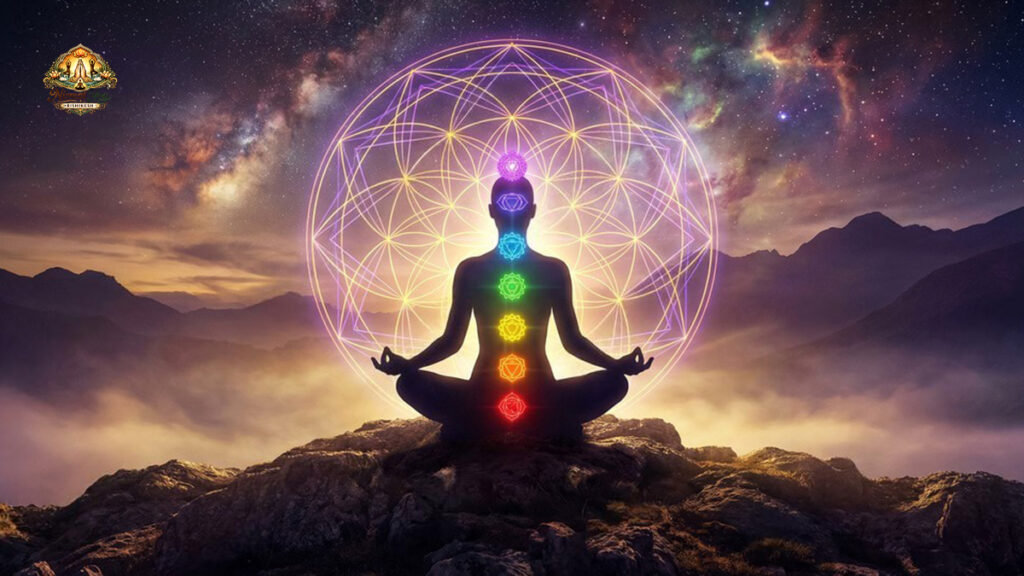
Although they can be practiced individually, their greatest strength lies in their integration.
Each serves a unique purpose:
Mantra
Refines the mind through sound and vibration.
Yantra
Refines attention through sacred geometry.
Tantra
Refines awareness through conscious living.
Together they create a complete system of inner development.
A simple way to remember their relationship is:
- Mantra is vibration.
- Yantra is structure.
- Tantra is expansion.
A Simple Practice for Beginners
You don’t need years of experience to begin exploring these traditions.
Try this simple sequence:
Step 1 – Begin with Mantra
Choose a simple mantra and repeat it gently for several minutes.
Allow your thoughts to settle naturally.
Step 2 – Shift to Yantra
Spend a few minutes observing a yantra with relaxed attention.
Notice how your awareness becomes more steady.
Step 3 – Rest in Awareness
Finally, let go of both the mantra and the visual focus.
Simply observe your breath, thoughts, and surroundings without trying to change them.
This progression naturally moves from effort toward effortless awareness.
Why These Ancient Practices Matter Today
Modern life is filled with constant distractions, digital overload, and mental stress.
The wisdom of mantra, yantra, and tantra remains deeply relevant because these practices help cultivate qualities many people seek today:
- Better focus
- Emotional resilience
- Mental clarity
- Inner calm
- Mindful awareness
Whether you practice Mantra meditation, explore mantra yoga, meditate with a yantra, or deepen your awareness through tantra yoga, these methods provide practical tools for navigating everyday life with greater balance.
Their value lies not in belief but in experience.
Conclusion
Mantra refines the mind through sound. Yantra refines perception through sacred geometry. Tantra hones awareness through conscious living.
In combination, they provide a timeless method for developing clarity, balance, and inner peace. As such, when these practices are integrated into everyday life, they aren’t just techniques; they’re a more natural way of experiencing the present moment with increased awareness.
It starts with a simple mindful practice, but over time it can alter the way we think, perceive, and relate to the world around us.
The journey begins with a single mindful practice, but over time it can change the way we think, perceive, and engage with the world around us.
Frequently Asked Questions
A mantra is a sacred word, sound or phrase that is often repeated to focus, calm and guide the mind during meditation or in daily life.
A yantra is a sacred geometric diagram that is used as a visual aid in meditation. It helps produce concentration, steadiness of attention, and deeper awareness.
Tantra is a path of expanded awareness. It reminds us that everything in life can be an opportunity for mindfulness, growth, and conscious living.
Mantra is through sound, yantra is through sacred geometry, and tantra is through bringing awareness into daily living. They together form a complete system for inner transformation.
Yes. Mantra meditation is beginner-friendly because it gives the mind something simple to focus on, making meditation easier and more accessible.
Yes. Kundalini tantra yoga is a form of tantra yoga that employs mantra, breathwork, meditation, and awareness practices for inner transformation. In a broader sense, Tantra yoga is the way of living with expanded awareness in all aspects of life.