
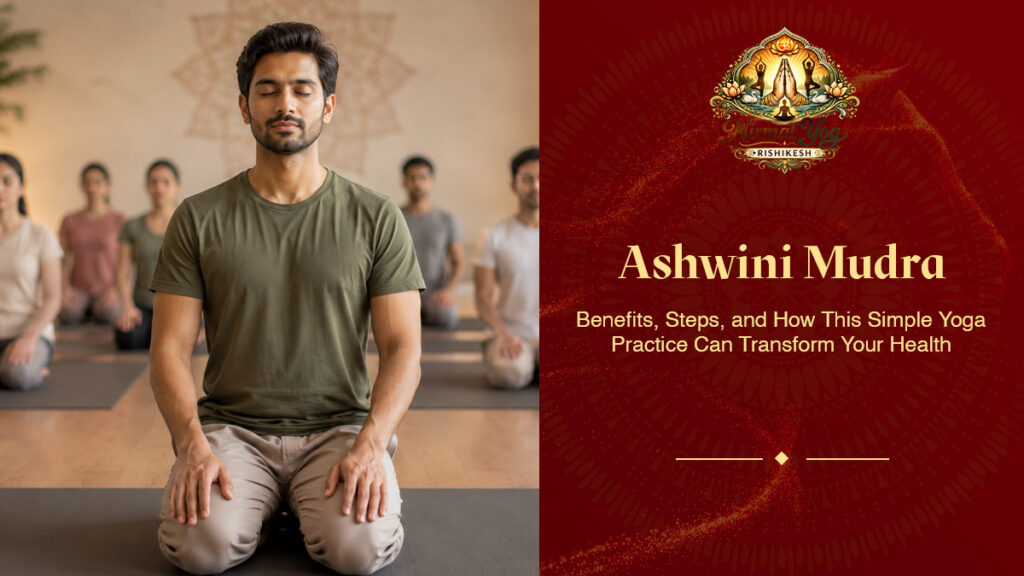
The word “yoga,” for most people, means difficult poses, balancing postures, or deep stretches. But some of the most powerful yogic practices require very little movement yet produce remarkable benefits from the inside. One such practice is the Ashwini Mudra.
The Ashwini Mudra is an easy exercise for beginners, and it is a very rewarding practice, even for seasoned yogis. Ashwini Mudra strengthens pelvic floor, improves digestion, increases circulation and promotes overall health. It might be subtle, but doing it on a regular basis can help your physical health, your energy level and even your state of mind.
In this article, we will tell you all about Ashwini Mudra yoga, benefits, how to do it, best time to do it, precautions and FAQ.
What Is Ashwini Mudra?
Ashwini Mudra is an ancient yogic practice that is performed by rhythmic contraction and relaxation of the anal sphincter muscles. The name is derived from two Sanskrit words:
- Horse = Ashwa
- Mudra = Gesture, Seal
The gesture is like a natural contraction of a horse’s anal muscles, hence the name “Horse Gesture”.
In some ways Ashwini Mudra resembles Kegel exercises, but it is more than just strengthening muscles. Yoga is thought to activate the body’s energy channels, awaken the Root Chakra (Muladhara), and prepare practitioners for deeper meditation and advanced breathing techniques.
Why Is Ashwini Mudra So Effective?
The reason why Ashwini Mudra has remained an important yogic practice for centuries is its holistic approach.
Instead of targeting just one area, it works on multiple body systems by:
- Strengthening the pelvic floor muscles
- Improving blood circulation in the lower abdomen and pelvic organs
- Supporting healthy digestion and bowel movements
- Promoting nervous system balance
- Stimulating the body’s natural energy flow
Think of it as internal fitness – it trains muscles you don’t usually exercise consciously but depend on every day.
Ashwini Mudra at a Glance
Before learning the technique, here’s a quick overview:
- Practice Type: Mudra (energy practice)
- Difficulty Level: Beginner-friendly
- Focus Area: Pelvic floor and lower abdomen
- Best Time: Early morning or during meditation
- Duration: 5–15 minutes daily
- Can Be Practiced: Sitting, standing, or lying down
One of the best things about ashwini mudra yoga is that it requires no equipment and can be practiced almost anywhere.
Ashwini Mudra Steps: How to Practice Correctly
Following the correct Ashwini mudra steps is essential to experience its full benefits.
Step 1: Sit Comfortably
Choose a comfortable seated position such as Sukhasana (Easy Pose), Vajrasana (Thunderbolt Pose), or even a chair if sitting on the floor isn’t comfortable.
Step 2: Keep Your Spine Straight
Maintain an upright posture while keeping your shoulders relaxed.
Step 3: Bring Awareness to the Pelvic Area
Focus your attention on the muscles around the anal sphincter.
Step 4: Contract the Muscles
Gently tighten the muscles as if you’re trying to stop passing gas.
Step 5: Hold Briefly
Hold the contraction for about 2–3 seconds without straining.
Step 6: Relax Completely
Release the muscles fully before starting with 10–15 repetitions.
Step 7: Continue Rhythmically
Repeat the contraction and relaxation in a smooth, steady rhythm.
Step 8: Coordinate With Your Breath
To enhance the practice:
- Inhale while contracting.
- Exhale while relaxing.
Step 9: Repeat
Start with 10–15 repetitions and gradually increase as your muscles become stronger.
Ashwini Mudra Pose: Which Position Is Best?
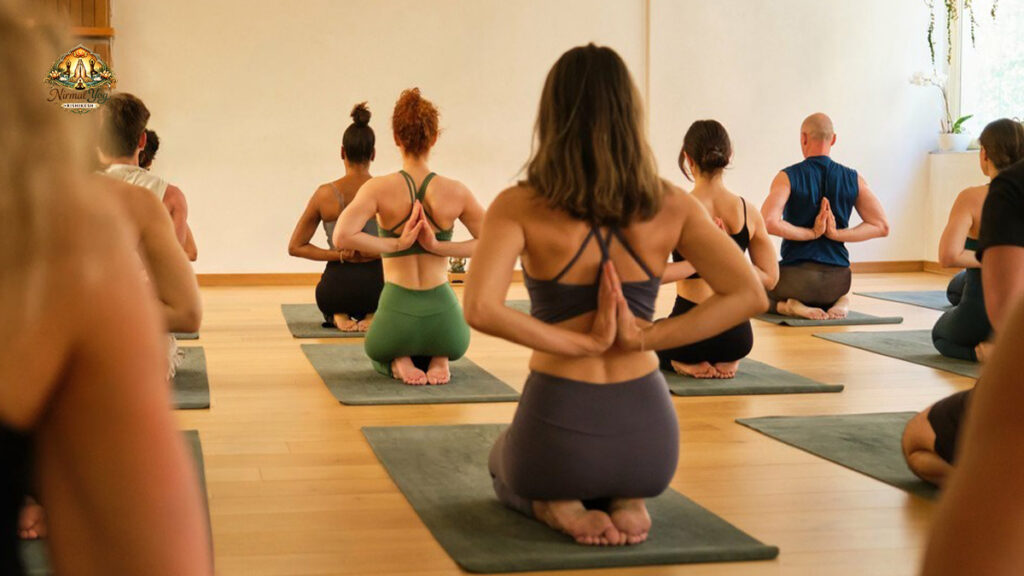
Unlike many yoga practices, there is not only one ashwini mudra pose.
You can do it in several comfortable positions, like:
- Sukhasana (Easy Pose)
- Vajrasana (Thunderbolt Pose)
- Padmasana (Lotus Pose)
- Sitting on a chair
- Lying down (particularly for beginners)
The most important thing is not the pose itself, but keeping your spine straight and being relaxed during the whole practice.
Top Ashwini Mudra Benefits
Another reason that makes people want to practice ashwini mudra regularly is the extensive range of benefits it offers.
1. Tones the Pelvic Floor
That’s the biggest plus. Regular exercise helps keep the muscles that support the bladder, bowel, and reproductive organs in good shape. Strong pelvic floor muscles will also help with your posture and core stability in general.
2. Supports Healthy Digestion
Rhythmic muscle contractions gently stimulate intestinal movement. This may help:
- Boost bowel regularity
- Avoid constipation
- Less gas and bloating
This practice is particularly beneficial for individuals with slow digestion when combined with a healthy diet.
3. Enhances Blood Circulation
The constant squeezing and releasing acts as a natural pump to increase blood flow to the pelvic area. Better circulation to the tissues may help the organs in the lower part of the abdomen work better.
4. Benefits Women’s Health
Many women practice Ashwini Mudra to help support the strength of their pelvic floor, particularly after childbirth or during menopause. It can also tone up muscles in the uterus and pelvic organs and improve bladder control.
5. Supports Better Bladder Control
Urinary leakage may be caused by weak pelvic floor muscles. Ashwini Mudra helps to strengthen these muscles, and over time many practitioners find they have better control of the bladder.
6. May Aid With Piles (Hemorrhoids)
The practice might also help to recover from mild hemorrhoids by improving circulation and reducing excessive straining during bowel movements. However, this practice should be avoided during acute pain or active flare-ups, unless advised by a health care professional.
7. Improves Energy Flow
In Yogic Philosophy, Ashwini Mudra energizes the Muladhara (Root Chakra) which is concerned with stability, grounding and vitality. This is why it is generally practiced prior to pranayama and meditation.
8. Encourages Mental Calmness
Rhythmic muscle contractions coupled with mindful breathing calms the nervous system. Many people with regular practice experience:
- Improved focus
- Lowered stress
- Better balanced emotions
Ashwini Mudra vs. Kegel Exercises
Many people wonder whether Ashwini Mudra and Kegel exercises are the same.
While they involve similar muscle groups, there are some important differences.
| Ashwini Mudra | Kegel Exercises |
| Rooted in yoga | Developed for medical rehabilitation |
| Includes breath awareness | Focuses mainly on muscle contraction |
| Supports energy flow | Primarily strengthens muscles |
| Often practiced with meditation | Usually performed independently |
| Holistic mind-body approach | Physical muscle training |
In simple terms, Kegels strengthen the pelvic muscles, while Ashwini Mudra combines muscle strengthening with breath awareness and yogic energy practices.
Best Time to Practice Ashwini Mudra
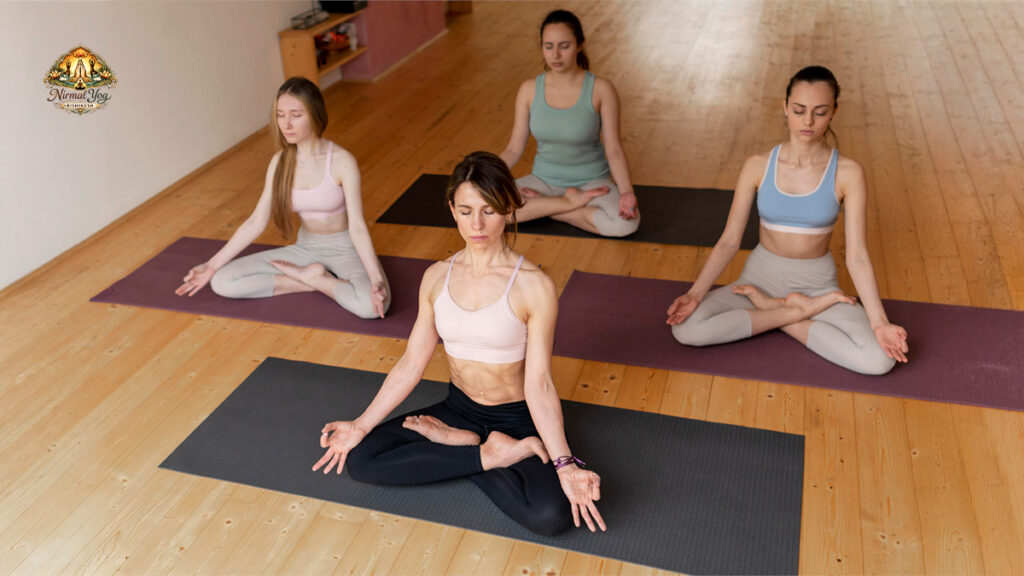
For best results, practice Ashwini Mudra:
- Early morning on an empty stomach
- Before meditation
- Before pranayam
- After you finish your yoga session
Don’t practice right after eating, as digestion can make the exercise uncomfortable.
How Long Should You Practice?
Consistency is more important than duration.
A good guideline is:
- Beginners: 5 minutes
- Intermediate: 10 minutes
- Advanced: 15 minutes
Daily practice is generally more beneficial than longer, infrequent sessions.
Common Mistakes to Avoid
To get the most out of your practice, avoid these common mistakes:
- Too forceful contracting
- Breath-holding
- Tighten your thighs, stomach, or buttocks, not the pelvic muscles
- Continuing despite discomfort or pain
- It’s always better to be gentle and controlled than to make too much effort.
Who Should Avoid Ashwini Mudra?
Most healthy adults can safely practice Ashwini Mudra , however, some people should consult a medical professional before trying it.
Avoid or postpone the practice if you have:
- Active anal fissures
- Severe hemorrhoids causing pain
- Recent pelvic or abdominal surgery
- Chronic pelvic pain
- Certain nerve disorders
Pregnant individuals or those who are menstruating should consult a qualified healthcare provider or experienced yoga instructor before beginning the practice.
Final Thoughts
Sometimes the simplest techniques of yoga bring the greatest change. Ashwini Mudra is a perfect example. Just a few minutes a day could help to strengthen the pelvic floor, aid digestion, improve circulation, encourage better bladder control, and create a greater sense of balance and calm.
If you are a beginner at yoga or have been practicing for years, doing ashwini mudra yoga on a daily basis can be a gentle and effective way to improve your overall health. Nirmal Yog Rishikesh is one of the best and most highly regarded yoga centres in Rishikesh. At Nirmal Yog Rishikesh, we start with the basic ashwini mudra steps and help you practice regularly to gain benefits with time.
Frequently Asked Questions
Ashwini Mudra is a yogic practice in which the anal sphincter muscles are contracted and relaxed in a rhythmic manner. It conditions the pelvic floor, improves circulation, and supports general physical and mental well-being.
Some of the best Ashwini Mudra benefits include stronger pelvic floor muscles, improved digestion, better bladder control, enhanced blood circulation, stress relief, and support for healthy energy flow in the body.
Sit comfortably with your back upright and focus on your pelvic muscles. Gently squeeze the anal sphincter for 2-3 seconds and then fully relax. Repeat this 10-15 times, linking the movement with your breathing.
The best pose for Ashwini Mudra is any of the comfortable seated poses, like Sukasana, Vajrasana, or Padmasana. If necessary, beginners can also practice sitting on a chair or lying down.
No. Both exercises are beneficial for strengthening the pelvic floor, but Ashwini Mudra also combines breath awareness, meditation, and yogic principles of energy, making it a more holistic practice.