
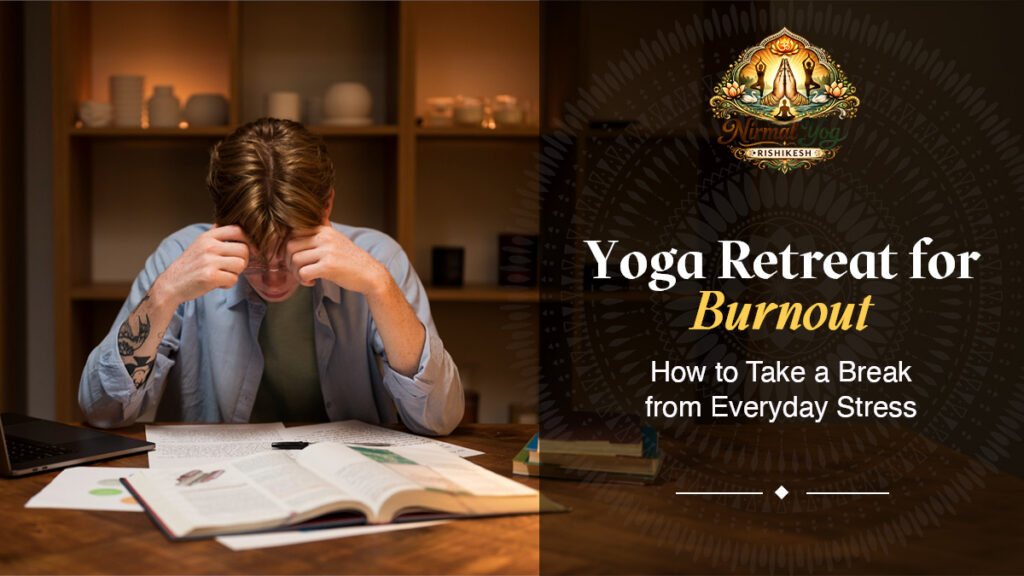
You are stressing, sending emails back to back. You promise yourself that you will rest once this week is over but the week keeps stretching on. By the time evening comes nothing is left for conversation, exercise, hobbies or even a proper meal. If this sounds familiar you might not just be tired. You may be experiencing burnout.
Searching for a Yoga Retreat for Burnout can be the first honest step toward addressing it.
Burnout is easy to downplay. People frequently describe it as stress, a patch or simply too much work. It usually goes deeper than a bad week. The World Health Organization defines burnout as a phenomenon caused by chronic workplace stress that has not been successfully managed. It is linked to exhaustion, mental distance or cynicism toward work. Reduced professional effectiveness.
A yoga retreat will not eliminate every pressure in your life. It cannot redesign your job, mend a relationship or resolve financial worry. What it can provide is something people seldom get: uninterrupted time to slow down, breathe properly, sleep, move gently and reconnect with themselves.
Why Burnout Needs More Than a Weekend Off
A Saturday spent sleeping in can feel wonderful. So can a short holiday. Burnout usually outlasts both.
The problem is not how many hours you work. It is the absence of recovery between periods of pressure. Many people go from one deadline to the next, reply to messages late into the night, skip meals, cancel plans and convince themselves that rest can wait. As time passes the body no longer signals “slow down” in ways. Rather it appears as sleep, irritability, mental fog, tension or a numbness that makes even pleasant things feel like a strain.
Typical indicators are:
- Fatigue that lingers after a full nights rest
- Trouble focusing, recalling details or making everyday choices
- A sense of disconnection from work, coworkers, family or activities you used to love
- Greater irritability, anxiety or a feeling of constantly falling behind
- Physical issues like headaches tense shoulders, digestive upset or low energy
- A deepening conviction that nothing you do is sufficient
That is why a burnout recovery retreat can help. It provides more than a different setting. It reshapes the rhythm that keeps stress running.
What a Yoga Retreat for Burnout Really Provides
A yoga retreat for stress relief is not about forcing yourself into poses or sticking to a rigid wellness regimen. If you are already running on empty that approach may only make matters worse. A retreat built around burnout recovery should feel like a support, not a demand.
A simple daily rhythm lightens the load
When burnout has set in, even deciding what to eat can feel like a chore. A retreat takes away many of those decisions. Your day follows a rhythm: morning yoga, breakfast, free time, meditation, meals, rest and an early night.
Gentle yoga helps the body let go of tension
Burnout frequently shows up in the body. The shoulders lift. The jaw clenches. Breathing grows shallow. People sit for hours, sleep poorly and carry stress without realising how much they are holding.
Gentle yoga offers the body a way to release some of that tension. Stretching, conscious breathing, restorative postures, yoga nidra and meditation can move attention away from urgent thoughts and back into physical sensation.
You do not have to be flexible. You do not need any experience. A good teacher will urge you to do more. The aim is awareness and regulation not performance.
Nature give the mind room to settle
Many people do not realise how overstimulated they are until they spend a few days away from notifications, traffic, screens and constant conversation.
Spending time at a retreat in a natural environment can bring about a real noticeable change. In Rishikesh, the Ganga, the mountains and a slower rhythm of life create an atmosphere in which rest no longer feels like something that must be earned.
Why Rishikesh Is a Meaningful Place for Recovery
Rishikesh has long been linked with yoga, meditation and spiritual study. For anyone looking for a yoga and meditation retreat it provides more than a beautiful setting. The town has a culture rooted in reflection, simplicity and inner practice.
A Rishikesh yoga retreat might feature sunrise practice, pranayama, guided meditation, yoga nidra, Ayurvedic-inspired meals, walks beside the river and quiet time for journaling or rest. For visitors the blend of traditional teaching and natural surroundings makes it easier to step away from the pace of everyday life.
At YogaRetreatRishikesh the focus is on building a space for rest traditional yoga, meditation and personal renewal. The aim is not to move guests through a schedule but to help them slow down in a way that can be sustained.
How a Retreat Helps You Reset, Not Just Escape
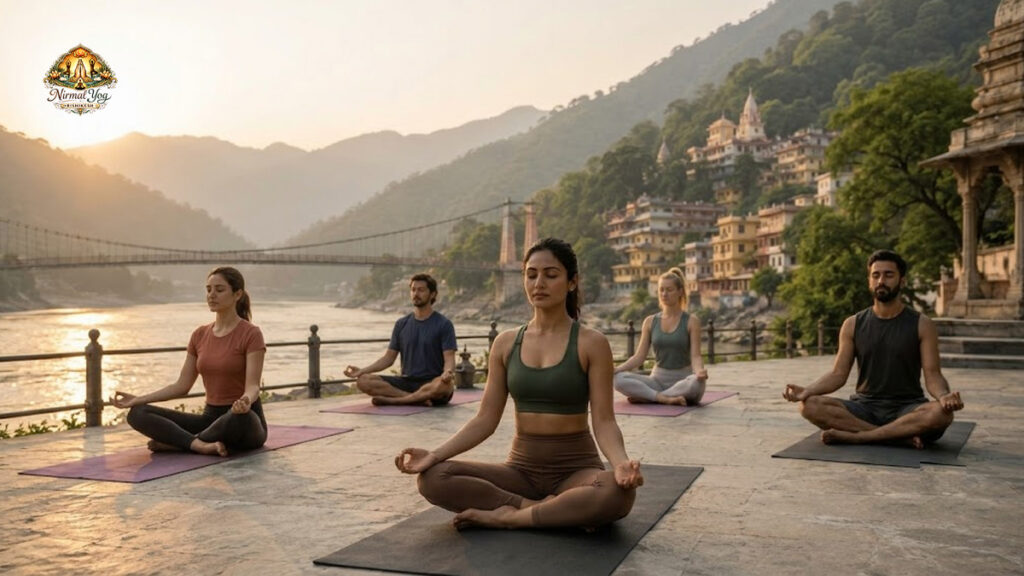
There is a difference between avoiding your life and recovering from it. A retreat becomes valuable when it helps you recognize the patterns that led to exhaustion in the place.
It breaks the stress cycle
Burnout often persists because the nervous system stays alert after the immediate pressure has ended. You may be on holiday yet still checking messages. You may be resting yet still thinking about Monday.
Regular yoga, breathing practices and meditation provide repeated moments of settling. At first the mind may resist. Thoughts will come. You might feel restless. That’s normal. With practice the body starts to recognize that it is safe to slow down.
It brings back awareness of your needs
When life becomes overwhelming people often stop noticing what they themselves need. They skip lunch. They cancel their time. They say yes when they really mean no. They keep going because everyone around them relies on them.
A retreat creates distance to ask better questions. What has been draining me? What have I been avoiding? What boundaries have disappeared? What do I need more of not during this retreat but when I get back home?
These questions are not selfish. They are ones. You cannot support others, do work or make good decisions while running on empty.
It gives you practices you can keep up at home
The useful retreats do not end when you leave. They give you tools that fit into life.
- Before you reach for your phone spend ten minutes on morning breathing or meditation.
- Mark the close of the workday with evening yoga or yoga nidra.
- Throughout the workday take brief movement breaks to ease tension in your neck, shoulders and hips.
- Pick a set time after which you stop checking work messages.
Hold a check-in with yourself so you can catch early signs of overload. - Set aside at least one part of the day that is yours even if it is just twenty minutes.
These habits may seem small. That is the point. Recovery seldom results from a dramatic change. It comes from repeated moments in which you choose rest, boundaries and awareness of autopilot.
What to Look for in a Retreat Focused on Burnout

Not every retreat is built for rest. Some are physically demanding, socially busy or centered mainly on travel and sightseeing. If burnout is the reason you are going look past the photographs.
| WHAT TO FOCUS ON FIRST | WHY IT MATTERS |
| Yoga that is gentle and suited to beginners | You need practices that soothe the nervous system rather than place more strain on the body. |
| Meditation, breathwork and yoga nidra | These help quiet the mind, improve sleep and allow for rest. |
| A schedule you can realistically handle | Taking on many activities can bring back the very rush you are trying to get away from. |
| Teachers who are skilled and caring | Sound guidance is important particularly if you are new to yoga or feeling emotionally drained. |
| Time alone | Reflection and unscheduled rest are vital for recovery. |
| Nourishing food and comfortable lodging | Looking after the body supports emotional healing. |
| A practical plan, for stepping from screens | Fewer notifications make it simpler for the mind to calm down. |
Ask the retreat organiser how the programme is designed to support rest. A considered reply will refer to pacing, needs, quiet time and adjustments. If someone promises transformation in seven days that should give you pause.
Frequent Mistakes People Make When Picking a Retreat
One common mistake is picking a retreat as if you were picking a vacation: based on cost setting or how appealing it appears online. These factors do matter. They won’t be of much help if the programme sends you home more exhausted than you were when you came.
Expecting a retreat to solve everything is another common mistake. A retreat can provide a reset. Lasting recovery also hinges on what comes after: your workload, boundaries, sleep, relationships and everyday habits.
It also matters not to view burnout as a failure. Burnout is a reaction to stress that has gone on for a time. It does not mean you are weak, lazy or incompetent. If you are dealing with depression, anxiety, panic attacks, substance misuse or thoughts of self-harm please reach out for support from a qualified mental-health professional. A retreat can work alongside care but it should never take its place.
How to Get Ready Before You Leave
You don’t have to show up with a plan for fixing yourself. That expectation can create pressure before the retreat has even started.
- Inform the people in your life that you will be less available.
- Turn on an out-of-office reply. If you can delete work apps from your phone.
- Pack. Pack for comfort. Make space for rest not for activities.
- Jot down three things you wish to let go of and three habits you want to develop.
- Come ready to do nothing more.
The aim is not to go as an entirely different person. It is to return with a mind, a calmer body and a more honest understanding of your limits.
Final Thoughts
A Yoga Retreat for Burnout is not about running from responsibility or pretending that stress is not real. It is about stepping outside the cycle enough to recover, reflect and come back with better tools.
If you have been running on empty another weekend of scrolling or sleeping in may not be enough. A few deliberate days of yoga, breathwork, silence and self-care can help you recall what it feels like to be present in your life.
When you return your responsibilities will still be there waiting. You may face them with more clarity, more energy and a stronger willingness to protect your own wellbeing.
Frequently Asked Questions
It can be a component of recovery. A retreat provides rest, gentle movement, meditation and space away from everyday stressors. Research on yoga points to benefits for stress and some burnout-related symptoms although the evidence is mixed. When needed a retreat should complement not replace psychological support.
Many people find that five to seven days are enough to disconnect and settle into a rhythm. If your exhaustion has accumulated over months or years a longer retreat may give you time to slow down. Even a shorter designed programme can still be helpful.
No. A good burnout-focused retreat should welcome beginners. Offer modifications. The focus should be on breathing, awareness, gentle movement and rest rather than flexibility or advanced postures.
A vacation typically includes sightseeing, social activities and a flexible schedule. A yoga retreat is deliberately built around wellbeing: practice, peaceful surroundings, wholesome food and time to reflect.
Yes. Rishikesh is well known for yoga and meditation and its riverside location and Himalayan backdrop can help you step away from stress more easily. The right experience still hinges on the teachers, the schedule, the accommodation and how genuine rest the retreat actually offers.